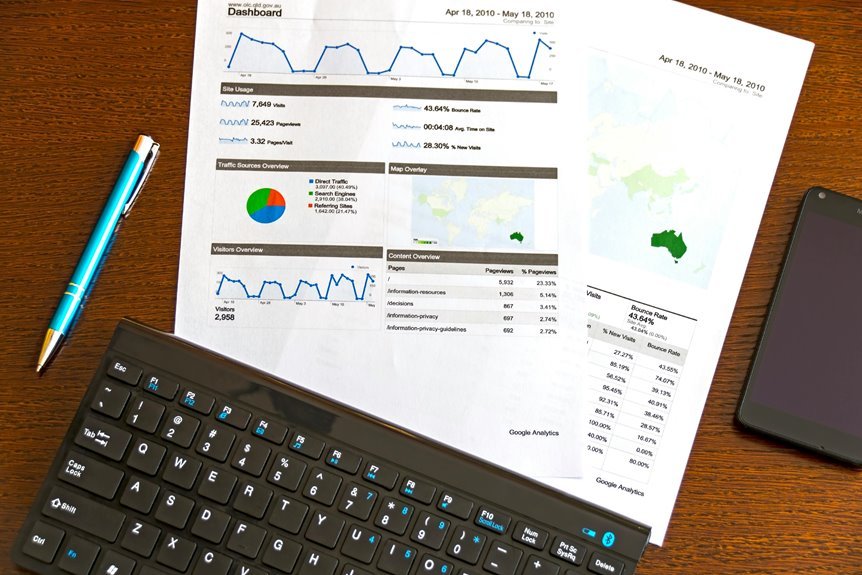
The Business Performance Dashboard for identifiers such as 2890777707, 8003009674, and others serves as a vital tool for analyzing key performance indicators. It focuses on essential metrics, including revenue growth and customer satisfaction. This analytical approach enhances decision-making capabilities. Understanding the implementation strategies and benefits of such dashboards can reveal their potential impact on organizational success. The nuances of these elements merit further exploration to fully appreciate their effectiveness.
Understanding Business Performance Dashboards
Although business performance dashboards have gained popularity in recent years, their significance lies in their ability to provide a clear, visual representation of key performance indicators (KPIs) that drive organizational success.
Effective dashboard design enhances data visualization, allowing stakeholders to interpret complex data effortlessly. By focusing on relevant metrics, organizations can foster informed decision-making, ultimately promoting a culture of transparency and autonomy.
Key Metrics to Include in Your Dashboard
A well-constructed business performance dashboard should incorporate a diverse array of key metrics that align with the organization’s strategic objectives.
Essential key performance indicators include revenue growth, customer satisfaction, and operational efficiency.
Utilizing effective data visualization techniques enhances comprehension, allowing stakeholders to quickly interpret complex information.
Implementation Strategies for Effective Dashboards
Implementing effective dashboards requires a systematic approach that prioritizes user needs and organizational goals.
Successful strategies include thorough dashboard customization to align with specific metrics and user preferences.
Encouraging user engagement through feedback mechanisms and iterative design processes enhances the dashboard’s relevance and usability.
Benefits of Utilizing Dashboards for Business Growth
Effective dashboard implementation not only enhances usability but also drives substantial business growth.
By leveraging data visualization, organizations can distill complex information into actionable insights, facilitating informed decision making. This clarity allows businesses to identify trends, optimize operations, and allocate resources effectively.
Consequently, dashboards empower stakeholders to respond swiftly to market changes, fostering an environment conducive to innovation and sustainable growth.
Conclusion
In conclusion, the Business Performance Dashboard serves as a navigational compass, guiding organizations through the tumultuous waters of market dynamics. By illuminating key metrics such as revenue growth, customer satisfaction, and operational efficiency, it transforms data into actionable insights. This digital beacon not only fosters transparency but also empowers stakeholders to make informed decisions, ultimately steering the organization toward sustained success. Embracing such strategic tools symbolizes a commitment to adaptability and growth in an ever-evolving business landscape.